





Created for Rest

Resting. It’s not something our generation is particularly good at, nor is it a high priority for us. We are overstimulated, overworked, and overly focused on the wrong things. But the practice of resting is important to God, so it should be important to us too. From the very beginning, God established a rhythm of work and rest, culminating in the Sabbath—a gift meant to rejuvenate our spirits. As we explore the significance of rest in our lives, we discover that it’s not just a pause from work, but a vital connection to our Creator and a glimpse of the peace to come.
Regarding Pride Month

Let me begin with my thesis: if pride is a sin and pride feeds on attention, then attention is the last thing we should give it. This is why I do not typically respond to Pride Month—not out of hate, but out of love for a community that is celebrated for wedding itself to the…
What Does it Mean to Make a Profession of Faith?

Maybe you’ve been asked the question before – “have you made a profession of faith?” This concept is not just a church tradition; it has deep biblical roots. Scripture emphasizes that true faith in Jesus should be expressed outwardly, as seen in Romans 10:9-10. Throughout church history, believers have participated in ceremonies to publicly profess their faith, from confirmation in Catholicism to practices in Reformed and Baptist churches. But how does this relate to church membership and baptism? Join us as we explore the significance of making a profession of faith and its impact on your spiritual journey.
Regarding The Cup Jesus Prayed Against
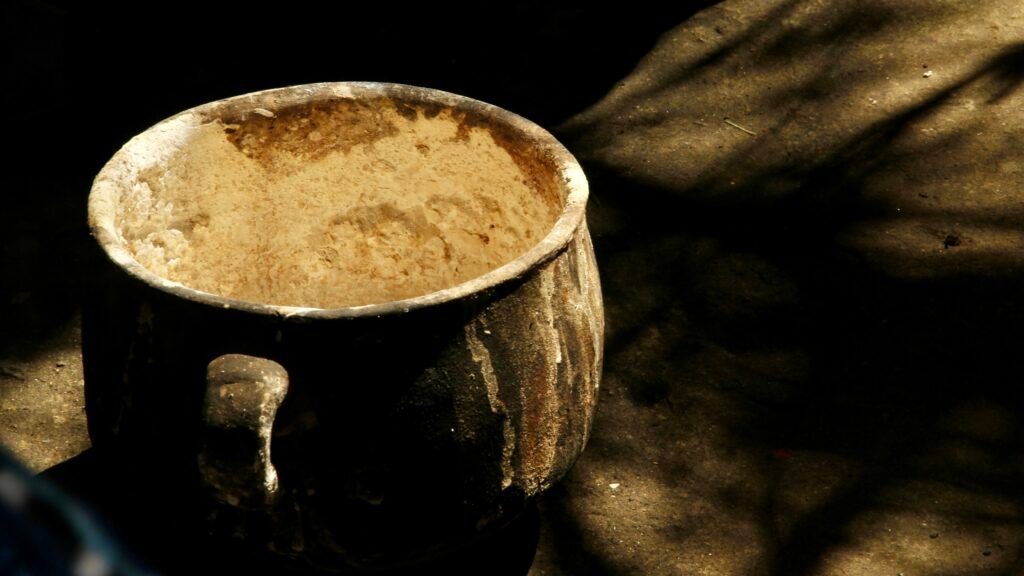
On the eve of Jesus’ crucifixion, he prayed in the Garden of Gethsemane, pleading for a “cup” to be removed from him. But what was this cup that filled him with such anguish? It was not merely the impending crucifixion; it was the cup of God’s wrath he was destined to drink for the sins of mankind. As he faced this profound spiritual turmoil, his body reacted in a rare condition known as hematidrosis, causing him to sweat blood. Discover the depth of Jesus’ sacrifice and the significance of the cup he ultimately embraced.
Regarding My Egalitarian Experience and My Complementarian Conversion
In my journey from an egalitarian upbringing to embracing complementarianism, I found myself wrestling with profound theological questions. Growing up in an egalitarian church, I experienced the beauty of diverse roles within the faith community. Yet, after extensive study and reflection, I became convinced that the Bible clearly teaches distinct roles for men and women in the church and home. This conviction was solidified by a particular passage in 1 Timothy that connects leadership in the church with the responsibilities of the home. Join me as I explore this transformative journey and the biblical foundations that shaped my beliefs.
Misinterpreted: Matthew 16:24

It’s a phrase many people associate with Christianity: “Deny yourself.” For some, it’s a killjoy, suggesting that faith is about suppressing joy and becoming miserable. But when Jesus said it in Matthew 16:24, He meant something far deeper. This isn’t about small sacrifices like skipping dessert; it’s about surrendering lordship over your life. Jesus calls us to release our idols—namely ourselves—because the self is a terrible god. Discover how denying yourself can lead to true freedom and a life that reflects who you were truly created to be. Dive deeper into this transformative truth!
When Mother’s Day Hurts

“Happy Mother’s Day,” the greeter at the church spoke with a smile as I entered into church. That simple greeting, spoken in kindness, brought me to tears. He had no idea I had just lost my unborn child 3 weeks prior. Mother’s Day is a day of celebration, but it can also bring a wave of sorrow for many. Whether you’re grieving a loss, longing for a child, or feeling distant from your own mother, know that God sees your pain. Join me as we explore how to find hope and healing in the midst of heartache this Mother’s Day.
Regarding Five Things That Jesus Said that Everyone Would Rather Forget

We often hear a lopsided portrayal of Jesus, one that softens his teachings to fit our preferences. Yet, the truth is that Jesus made bold statements that challenge us deeply. From calling us to repentance to declaring his oneness with the Father, his words demand our attention and reflection. In a world eager to forget the harder truths, these five quotes remind us that Jesus is not just a figure to admire but the King of Kings deserving of our worship. Dive into these powerful teachings and discover why they are essential to understanding who Jesus truly is.
Stranger Things… From the Bible
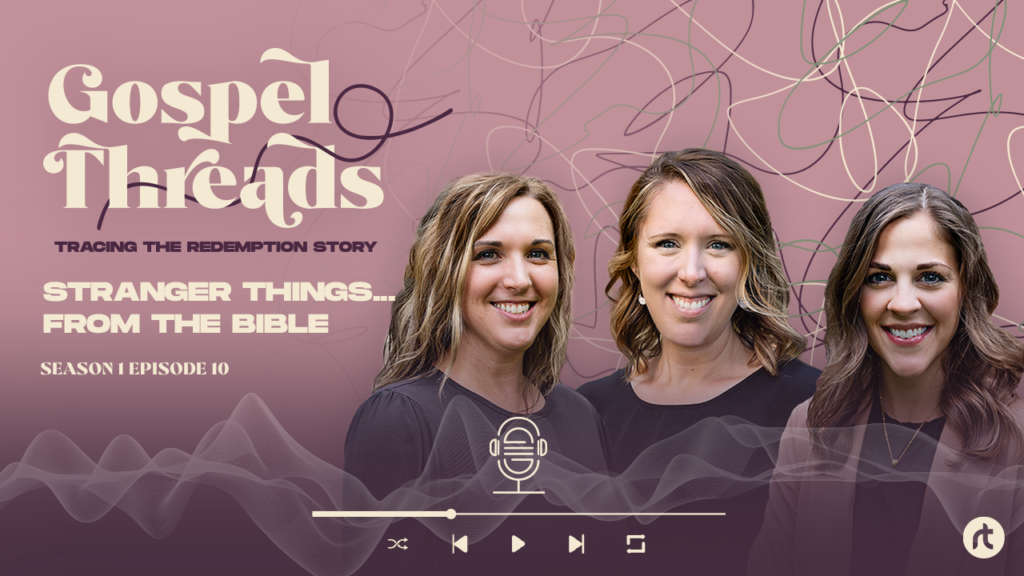
Dive into the unexpected connections between “Stranger Things” and the Bible in our latest episode! Discover the intriguing stories of Jeremiah’s underwear, Samson’s gamble over clothing, and a prophet who walked naked for three years. These surprising moments challenge our understanding of shame and identity, revealing profound insights about what it means to be truly clothed. Join Stephanie as she weaves together these narratives, uncovering the powerful and recurring theme of clothing throughout Scripture. Don’t miss this captivating exploration that promises to change the way you view both the show and the ancient text!
Misinterpreted: Matthew 22:1-14
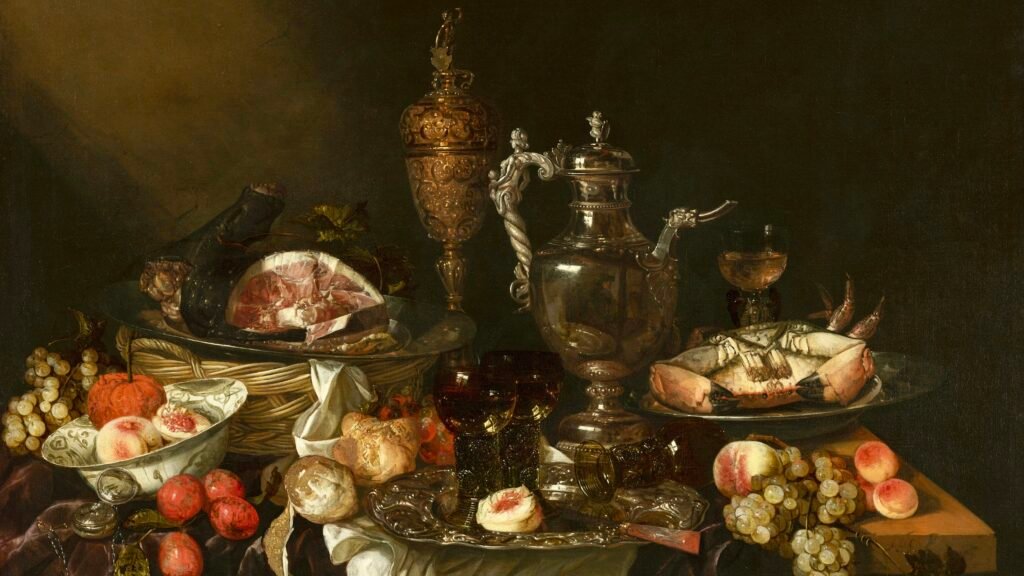
It’s a comforting idea: God invites everyone, so in the end, everyone will be fine. But that’s not what Jesus teaches in Matthew 22:1-14. This parable of a wedding feast reveals a surprising truth: while the invitation is wide, not everyone responds rightly. What happens when a guest shows up without the proper attire? This uncomfortable moment challenges our assumptions about grace and acceptance. Discover the deeper meaning behind the invitation and what it truly means to belong at the King’s table. Are you ready to explore the difference between being invited and being chosen?
Regarding Gentiles

“Gentiles” is a term frequently encountered in the New Testament, representing a crucial category of people in Scripture. But who exactly are the Gentiles? In its simplest form, Gentiles are anyone who is not Jewish, encompassing all nations and ethnic groups. This article delves into the origins of the word, its theological implications, and how its meaning shifts between the Old and New Testaments. Discover how understanding this term can enrich your reading of the Bible and reveal God’s expansive plan for humanity, extending His Gospel to all nations, both Jew and Gentile.
Coming Out of Catholicism
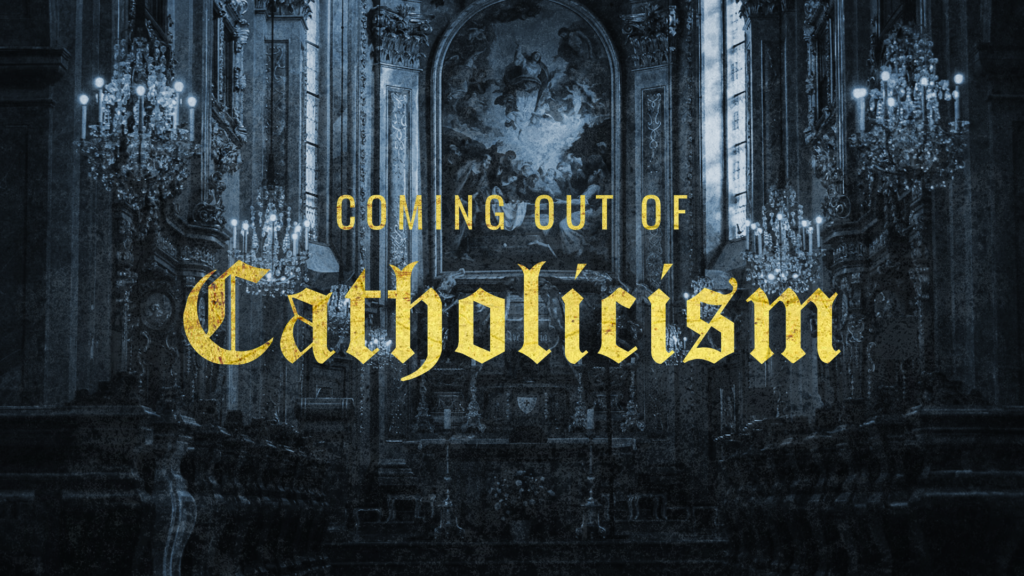
What is the difference between Protestant and Roman Catholic theology, and why does it still matter 500 years after the Reformation? In this enlightening two-part series, we delve into the heart of the Reformation, exploring the critical teachings that shape our understanding of salvation. Discover the contrasting views on authority, as we examine Scripture alone versus the Roman Catholic emphasis on Tradition. Engage with the official Roman Catholic Catechism and uncover the profound implications of being saved by grace alone through faith alone. Join us on this journey to seek the truth in love and deepen your faith.