




Failing to Feel: Mistake #2 in Teaching the Bible

Perhaps because we think of the Bible characters as “saints” or as some select group of people who are totally unlike us, we sometimes forget to consider their emotions. We lift the bare facts from the pages of our Bibles and fail to feel the pain, jealousy, regret, or boredom that these people experienced—just like we would if we walked in their shoes. To truly understand the Bible’s message, we must try to understand the Bible’s people. We have to do “emotional archaeology” to connect with their experiences and, ultimately, with God’s character revealed through their stories.
Regarding Gluttony: Part Four

As we explore the battle against gluttony through the lens of Philippians 3:17-21, we discover that godliness offers us a powerful antidote. It inspires us to behold Christ’s example, challenges us to pursue purpose over pleasure, and fills us with anticipation for His return. In a world that often succumbs to greed, we are called to live as reflections of Christ, embracing strength, bravery, and love. Join us as we delve into how godliness not only transforms our lives but also shapes our eternal hope, reminding us that while gluttony seeks the moment, godliness lives for forever.
Identifying a Fascist
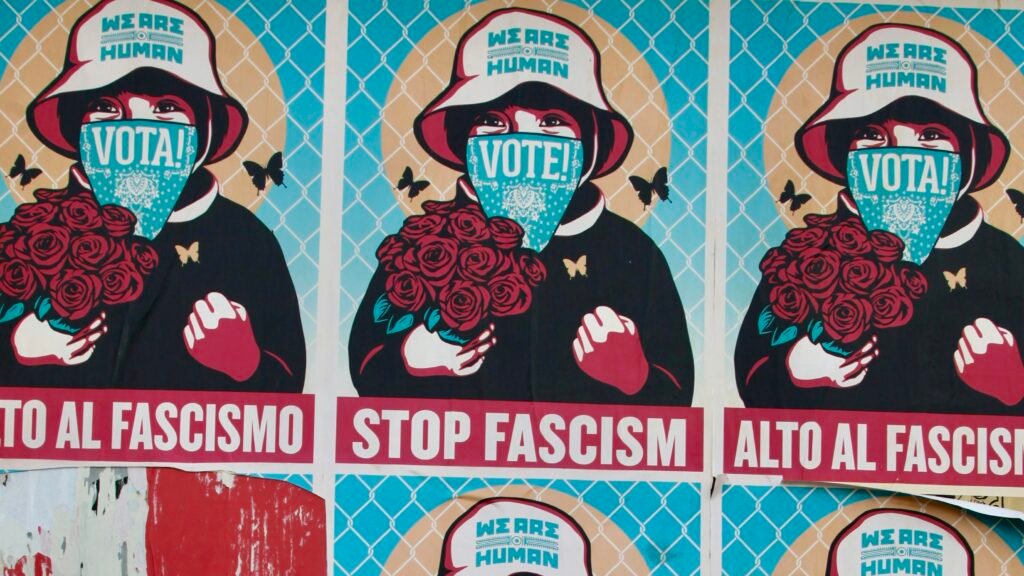
Nothing reveals bias or ignorance like misusing the term “fascist.” It refers to a specific political movement that prioritizes nation and race over the individual, supports autocratic rule, and suppresses opposition. In this exploration, we’ll clarify the definition and ensure we use this powerful word correctly, respecting its history and avoiding misuse in today’s discourse.
Regarding Gluttony: Part One

Gluttony is often dismissed as merely a food problem, but it reveals a deeper spiritual issue rooted in excess and lack of discipline. In a world where we indulge without boundaries, we find ourselves trapped in a cycle of overconsumption, leading to emptiness and dissatisfaction. As we explore Philippians 3:17-21, we’ll uncover how gluttony presents a wrong model of living, contrasting it with the selfless life Christ exemplifies. Are we truly free, or are we slaves to our desires? Join us as we delve into this critical topic and discover a path to a more meaningful life.
The Vital Role of Church Planting
In a world where community and faith often intertwine, the act of church planting emerges as a vital mission. Join us as we delve into an enlightening conversation with Ethan Ezikian, a dedicated Pastor at Union Church in Howell, MI. Discover the profound significance of establishing new congregations and how they serve as beacons of hope and connection in our communities. Ethan shares insights rooted in scripture, illustrating the biblical foundation for this transformative work. Whether you’re a seasoned believer or simply curious about the role of faith in society, this discussion promises to inspire and challenge your perspective on church planting.
Misinterpreted: Matthew 16:24

It’s a phrase many people associate with Christianity: “Deny yourself.” For some, it’s a killjoy, suggesting that faith is about suppressing joy and becoming miserable. But when Jesus said it in Matthew 16:24, He meant something far deeper. This isn’t about small sacrifices like skipping dessert; it’s about surrendering lordship over your life. Jesus calls us to release our idols—namely ourselves—because the self is a terrible god. Discover how denying yourself can lead to true freedom and a life that reflects who you were truly created to be. Dive deeper into this transformative truth!
Just a Mom: How Your Work in the Home Reflects God’s Character

“What do you do?”
“Oh, I’m just a mom.”
Just a mom.
I must have said it a thousand times as a young mother, feeling the weight of my daily tasks that seemed never-ending and often unnoticed. Yet, the Bible reveals a different truth about motherhood—a holy calling filled with purpose and significance. From the stories of heroic mothers like Hannah and Mary to the wisdom of Proverbs 31, we see that being a mom is not just a job; it’s a reflection of God’s character. You are not “just a mom.” You are the image of God.
Regarding Five Things That Jesus Said that Everyone Would Rather Forget

We often hear a lopsided portrayal of Jesus, one that softens his teachings to fit our preferences. Yet, the truth is that Jesus made bold statements that challenge us deeply. From calling us to repentance to declaring his oneness with the Father, his words demand our attention and reflection. In a world eager to forget the harder truths, these five quotes remind us that Jesus is not just a figure to admire but the King of Kings deserving of our worship. Dive into these powerful teachings and discover why they are essential to understanding who Jesus truly is.
Stranger Things… From the Bible
Dive into the unexpected connections between “Stranger Things” and the Bible in our latest episode! Discover the intriguing stories of Jeremiah’s underwear, Samson’s gamble over clothing, and a prophet who walked naked for three years. These surprising moments challenge our understanding of shame and identity, revealing profound insights about what it means to be truly clothed. Join Stephanie as she weaves together these narratives, uncovering the powerful and recurring theme of clothing throughout Scripture. Don’t miss this captivating exploration that promises to change the way you view both the show and the ancient text!
Learning Moses’ Ministry Lessons
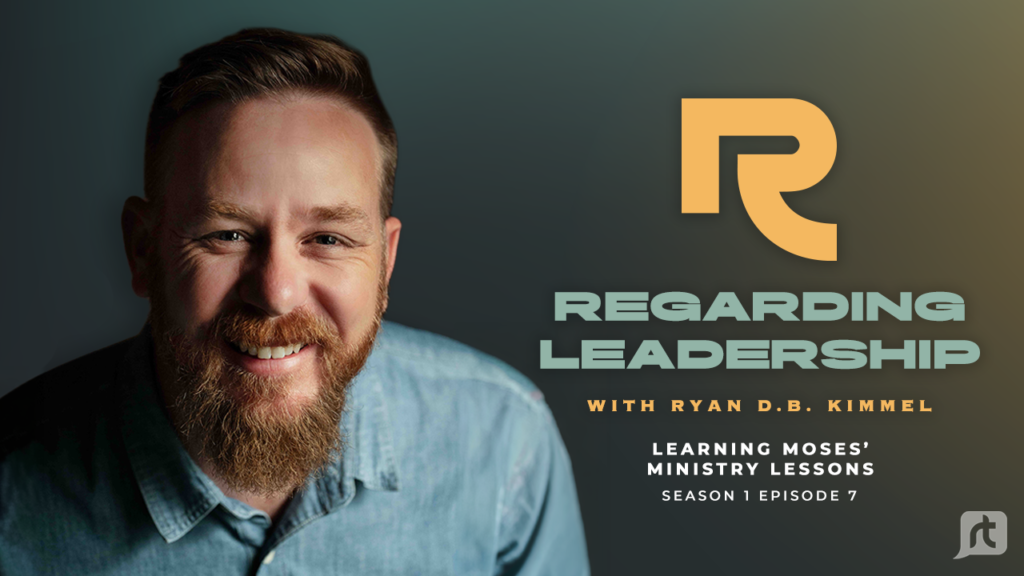
In the dynamic world of ministry, the lessons from Moses’ journey are more relevant than ever. As large ministries expand, the challenge of leadership can become overwhelming. Discover how Moses’ father-in-law offered transformative wisdom that not only lightened the load but also fostered a sustainable approach to shared responsibilities. This biblical insight is crucial for any growing ministry seeking to thrive amidst increasing demands. Join us as we explore these timeless principles that can reshape your ministry’s future and ensure it remains vibrant and effective in its mission. Don’t miss out on these essential lessons for sustainable growth!
Regarding Gentiles

“Gentiles” is a term frequently encountered in the New Testament, representing a crucial category of people in Scripture. But who exactly are the Gentiles? In its simplest form, Gentiles are anyone who is not Jewish, encompassing all nations and ethnic groups. This article delves into the origins of the word, its theological implications, and how its meaning shifts between the Old and New Testaments. Discover how understanding this term can enrich your reading of the Bible and reveal God’s expansive plan for humanity, extending His Gospel to all nations, both Jew and Gentile.
Christianity and Politics
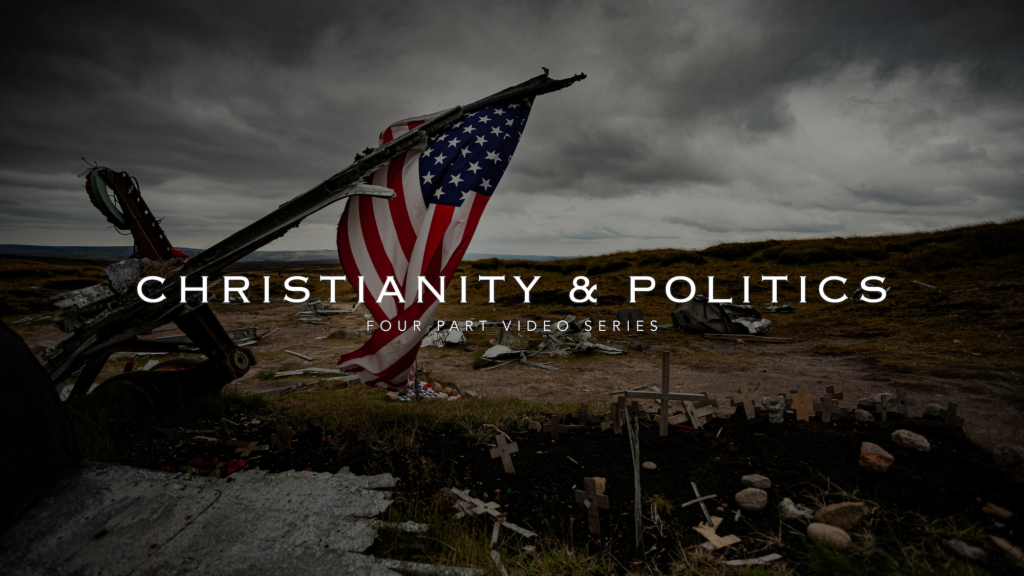
Does the Bible have a place in the political arena? In our four-part series, we delve into the vital intersection of faith and governance, offering a grounded, theological framework for living as a faithful citizen in a complex world. Discover why politics is not a distraction from the Christian mission, but a means to love our neighbors. Unpack the historical roots of our nation and learn how to navigate the challenges of civil disobedience while respecting governing authorities. If you’re seeking clarity amidst the political noise, this series equips you to be a transformative presence in our culture.