



Regarding Gluttony: Part Three

Gluttony weakens our minds because it promotes a mindset of immediate gratification, leaving no room for thoughtful decision-making. Instead of wrestling with choices, we become slaves to our impulses, neglecting the deeper identity we have through God. In Philippians, Paul contrasts this with our true citizenship in heaven, where we await a Savior who transforms us. As we prepare for the future, it’s crucial to reject gluttony and embrace godliness. Join us in exploring how to fight against gluttony and cultivate a mindset that aligns with our renewed identity in Christ. Discover the path to a stronger, more purposeful life!
Regarding Pride Month

Let me begin with my thesis: if pride is a sin and pride feeds on attention, then attention is the last thing we should give it. This is why I do not typically respond to Pride Month—not out of hate, but out of love for a community that is celebrated for wedding itself to the…
Regarding Gluttony: Part Two

Gluttony is often dismissed as merely a food problem, but it reveals a deeper spiritual issue rooted in excess and lack of discipline. In a world where we indulge without boundaries, we find ourselves trapped in a cycle of overconsumption, leading to emptiness and dissatisfaction. As we explore Philippians 3:17-21, we’ll uncover how gluttony presents a wrong model of living, contrasting it with the selfless life Christ exemplifies. Are we truly free, or are we slaves to our desires? Join us as we delve into this critical topic and discover a path to a more meaningful life.
Identifying a Fascist
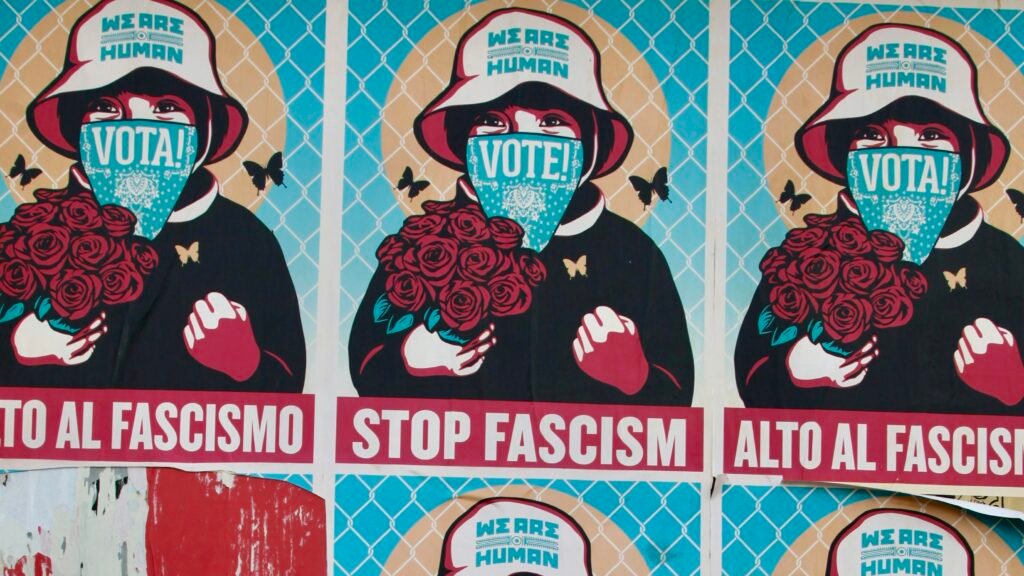
Nothing reveals bias or ignorance like misusing the term “fascist.” It refers to a specific political movement that prioritizes nation and race over the individual, supports autocratic rule, and suppresses opposition. In this exploration, we’ll clarify the definition and ensure we use this powerful word correctly, respecting its history and avoiding misuse in today’s discourse.
Regarding Gluttony: Part One

Gluttony is often dismissed as merely a food problem, but it reveals a deeper spiritual issue rooted in excess and lack of discipline. In a world where we indulge without boundaries, we find ourselves trapped in a cycle of overconsumption, leading to emptiness and dissatisfaction. As we explore Philippians 3:17-21, we’ll uncover how gluttony presents a wrong model of living, contrasting it with the selfless life Christ exemplifies. Are we truly free, or are we slaves to our desires? Join us as we delve into this critical topic and discover a path to a more meaningful life.
Regarding The Cup Jesus Prayed Against
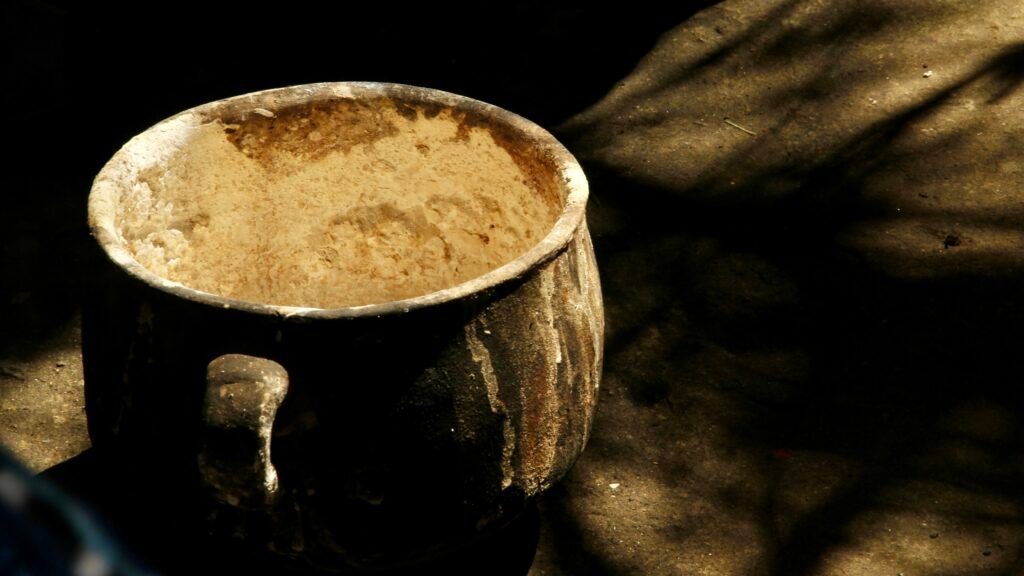
On the eve of Jesus’ crucifixion, he prayed in the Garden of Gethsemane, pleading for a “cup” to be removed from him. But what was this cup that filled him with such anguish? It was not merely the impending crucifixion; it was the cup of God’s wrath he was destined to drink for the sins of mankind. As he faced this profound spiritual turmoil, his body reacted in a rare condition known as hematidrosis, causing him to sweat blood. Discover the depth of Jesus’ sacrifice and the significance of the cup he ultimately embraced.
Avoiding the Burnout Trap

We all know how it goes: a new volunteer joins the youth ministry with joy and high hopes, only to leave sad and embittered a short time later. This is the story of burnout—a common off-ramp for many volunteers in student ministry. But can we help them avoid it? The answer is YES! By understanding what burnout truly is and clearly defining the role of a student ministry volunteer, we can create an environment that fosters growth and fulfillment. Discover how clarity and thoughtful guidance can transform your ministry and support your volunteers in their calling.
Regarding My Egalitarian Experience and My Complementarian Conversion
In my journey from an egalitarian upbringing to embracing complementarianism, I found myself wrestling with profound theological questions. Growing up in an egalitarian church, I experienced the beauty of diverse roles within the faith community. Yet, after extensive study and reflection, I became convinced that the Bible clearly teaches distinct roles for men and women in the church and home. This conviction was solidified by a particular passage in 1 Timothy that connects leadership in the church with the responsibilities of the home. Join me as I explore this transformative journey and the biblical foundations that shaped my beliefs.
Regarding Five Things That Jesus Said that Everyone Would Rather Forget

We often hear a lopsided portrayal of Jesus, one that softens his teachings to fit our preferences. Yet, the truth is that Jesus made bold statements that challenge us deeply. From calling us to repentance to declaring his oneness with the Father, his words demand our attention and reflection. In a world eager to forget the harder truths, these five quotes remind us that Jesus is not just a figure to admire but the King of Kings deserving of our worship. Dive into these powerful teachings and discover why they are essential to understanding who Jesus truly is.
Stranger Things… From the Bible
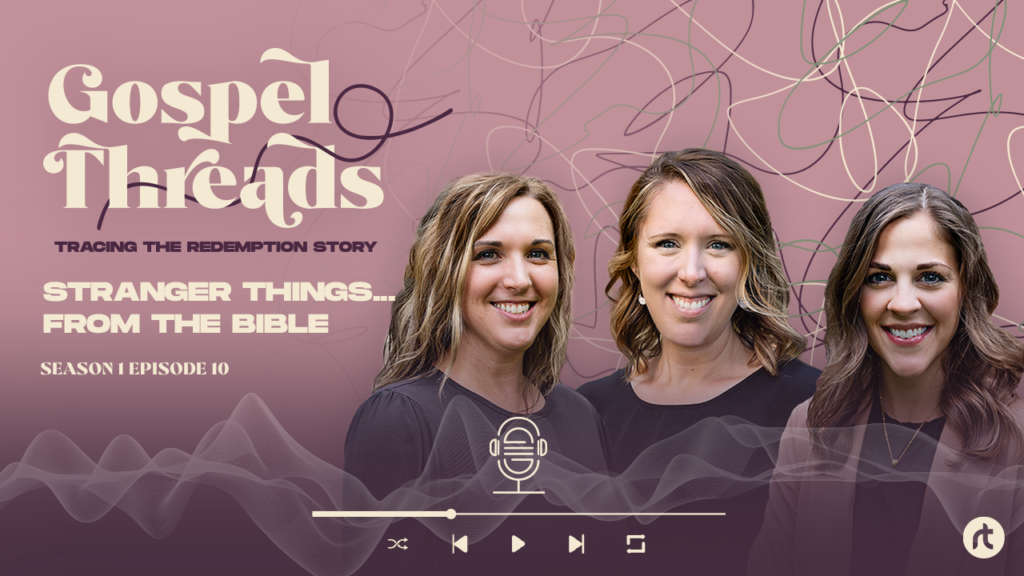
Dive into the unexpected connections between “Stranger Things” and the Bible in our latest episode! Discover the intriguing stories of Jeremiah’s underwear, Samson’s gamble over clothing, and a prophet who walked naked for three years. These surprising moments challenge our understanding of shame and identity, revealing profound insights about what it means to be truly clothed. Join Stephanie as she weaves together these narratives, uncovering the powerful and recurring theme of clothing throughout Scripture. Don’t miss this captivating exploration that promises to change the way you view both the show and the ancient text!
What is Justification?

What is Justification? Simply put, to be justified is to be declared righteous. This crucial concept lies at the heart of the gospel, revealing how sinful people like us can be made right with God. Through the Great Exchange on the cross, Jesus takes our sin and gives us His righteousness. But what does this mean for our relationship with God? How does justification differ between Catholics and Protestants? Dive deeper into this essential doctrine and discover how it shapes our faith and understanding of salvation. Join us as we explore the profound implications of justification in the Christian life.
Regarding The Eternal State: Our Age in Heaven

It’s a common question: How old are we in heaven? If we die at 88, are we 88 forever? Or if we pass in infancy, are we babies for eternity? While the Bible doesn’t provide a direct answer, it offers glimmers of insight. Our eternal state is less about age and more about fullness—completion in a glorious, transformed body. As we ponder this profound mystery, we find hope and joy in the promise of a future where our brokenness is washed away. Join me as we explore what the eternal state might truly mean for us.