





How Jesus Teaches Us to Pray

Discover the profound depth of prayer as taught by Jesus in the Lord’s Prayer. This model prayer, found in both Matthew and Luke, serves as a roadmap for our conversations with God. It begins with adoration, moves to our daily needs, and concludes with a commitment to holiness. More than just words to recite, it shapes our priorities and teaches us how to depend fully on the Father. Join us as we explore the significance of this monumental teaching and learn how to enrich our prayer life through the wisdom of Christ.
Regarding the Lord’s Prayer

It is still amazing to me that when we read and recite the Lord’s Prayer, this is the prayer that Jesus himself taught us to pray. Found in the Sermon on the Mount, the Lord’s Prayer has been a vital tool for teaching young disciples since its inception. With its roots in both Matthew and Luke, this prayer not only serves as a script for our conversations with God but also provides a profound framework for understanding our relationship with Him.
Misinterpreted: Romans 8:28

Romans 8:28 is often quoted as a comforting promise, but have we truly grasped its meaning? This beloved verse assures us that for those who love God, all things work together for good. Yet, it’s crucial to understand the context and depth of this promise. What does “good” really mean? How does suffering fit into God’s plan? This exploration reveals that our pain is not pointless but part of a transformative journey. Dive deeper to discover how this powerful verse can reshape your understanding of hardship and hope in your life today.
Clothed in Grace: Part One

Here at Gospel Threads, we love studying themes in the Bible! For our first season, we chose the theme of “Clothing” because it beautifully illustrates how we were stained by sin yet covered in righteousness through Jesus. From the fig leaves in Eden to the robes of righteousness in Revelation, see how God weaves his grace into every layer of Scripture. Discover how God clothed Adam and Eve in hope, how Joseph’s story unfolds with forgiveness, and how the Israelites learned to live as His people, all through the powerful symbolism of clothing. Join us on this journey!
Regarding the Golden Rule and the Silver Rule

Most people in Western society have heard of the Golden Rule: Do unto others as you would have them do unto you. But did you know there’s a Silver Rule, stated centuries before Christ? Attributed to Confucius, it advises us not to do unto others what we wouldn’t want done to ourselves. While both rules offer wisdom, Christ’s teaching takes it a step further. Discover how the Golden Rule transforms mere avoidance into proactive kindness, urging us to treat others as we wish to be treated. Dive deeper into this fascinating exploration of ancient teachings and their relevance today!
Misinterpreted: John 3:16
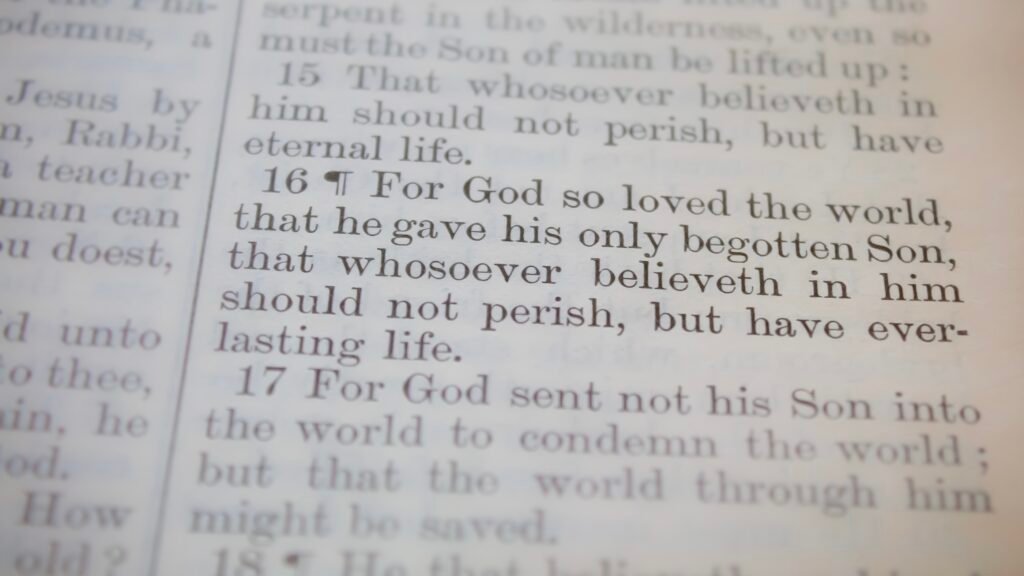
Probably the most well-known Bible verse in the world, John 3:16 is often quoted, tattooed, and celebrated as the heart of the Bible. But what does it truly teach? This passage is not just about individual worth; it reveals the incredible grace of God and the necessity of faith in Jesus for eternal life. Misinterpretations can lead to critical misunderstandings about God’s love, justice, and the continuity of Scripture. Discover the profound context and meaning behind this powerful verse, and learn how it can transform your understanding of God’s amazing love.
Striving Against Shame

From fig leaves to social media filters, we have always tried to cover ourselves. Deep down, we all wonder, Am I really good enough? We all struggle with shame, and like Eve in the Garden of Eden, we often try to fix it on our own. But what if there’s a better way? Instead of hiding, the gospel invites us to come out of shame and into the light—not to be exposed, but to be clothed in Christ’s righteousness. Discover how God’s love transforms our shame into grace and offers us true covering.
Regarding Proof Texting

Is proof texting something we should or shouldn’t do? This practice of referencing a single verse to support a belief can be dangerous, as it often distorts Scripture and undermines its intended meaning. For instance, quoting Philippians 4:13 to justify unrealistic actions misses the verse’s true context. However, when done correctly, proof texting can enhance our understanding of the Bible’s message. Join us as we explore the fine line between proper exegesis and the pitfalls of eisegesis, and discover how to let Scripture speak for itself in our beliefs and teachings.
Misinterpreted: Philippians 4:13

Have you ever claimed Philippians 4:13 as a promise for victory in your life? This powerful declaration, often used by athletes and individuals facing challenges, may not mean what you think. Written by the Apostle Paul from prison, this verse speaks to a deeper message of contentment in any circumstance. Discover the true context behind “I can do all things through him who strengthens me” and learn how it offers hope not in winning every battle, but in finding joy and strength in Christ, no matter the outcome. Dive into the full exploration of this misunderstood verse!
Finding Freedom From Shame in the Story of David

Umm excuse me, King David? Maybe you’ve forgotten about a little something from your past? While he is often celebrated as a “man after God’s own heart,” David’s story is also marked by shameful choices—adultery, lies, and even murder. Yet, in the depths of his despair, he turned to God in repentance, leading to a profound truth: “The Lord has put away your sin.” This powerful narrative reveals that our failures do not define us. If you are in Christ, you are blameless and free from shame. Discover how God’s grace transforms our darkest moments into a story of redemption!
Regarding Jesus’ Hard Love

Are you feeling lukewarm in your faith, just bland and indifferent? In Revelation 3:19, Jesus reminds us that those He loves, He reproves and disciplines. This isn’t to make us feel worse, but to call us to something better. Discover how Christ’s hard love can ignite a burning zeal in your heart and lead you back to His path. Join us as we explore the purpose of discipline and the transformative power of God’s love that sets our hearts ablaze. Don’t miss the chance to reignite your passion for Him—be zealous and repent!
Misinterpreted: Jeremiah 29:11

So popular and encouraging, Jeremiah 29:11 can be found on wall decor, coffee mugs, and graduation cards. But do we really understand its meaning? This verse, often claimed in difficult times, has a rich context that reveals much more than personal reassurance. The Israelites faced 70 years of exile, and in the midst of their trials, God offered a promise of hope. Discover how understanding the context of this verse can deepen your comfort and faith, reminding us that even in hardship, God is in control and faithful to His promises.