



Regarding Gluttony: Part Three

Gluttony weakens our minds because it promotes a mindset of immediate gratification, leaving no room for thoughtful decision-making. Instead of wrestling with choices, we become slaves to our impulses, neglecting the deeper identity we have through God. In Philippians, Paul contrasts this with our true citizenship in heaven, where we await a Savior who transforms us. As we prepare for the future, it’s crucial to reject gluttony and embrace godliness. Join us in exploring how to fight against gluttony and cultivate a mindset that aligns with our renewed identity in Christ. Discover the path to a stronger, more purposeful life!
Created for Rest

Resting. It’s not something our generation is particularly good at, nor is it a high priority for us. We are overstimulated, overworked, and overly focused on the wrong things. But the practice of resting is important to God, so it should be important to us too. From the very beginning, God established a rhythm of work and rest, culminating in the Sabbath—a gift meant to rejuvenate our spirits. As we explore the significance of rest in our lives, we discover that it’s not just a pause from work, but a vital connection to our Creator and a glimpse of the peace to come.
Regarding Pride Month

Let me begin with my thesis: if pride is a sin and pride feeds on attention, then attention is the last thing we should give it. This is why I do not typically respond to Pride Month—not out of hate, but out of love for a community that is celebrated for wedding itself to the…
Regarding Gluttony: Part Two

Gluttony is often dismissed as merely a food problem, but it reveals a deeper spiritual issue rooted in excess and lack of discipline. In a world where we indulge without boundaries, we find ourselves trapped in a cycle of overconsumption, leading to emptiness and dissatisfaction. As we explore Philippians 3:17-21, we’ll uncover how gluttony presents a wrong model of living, contrasting it with the selfless life Christ exemplifies. Are we truly free, or are we slaves to our desires? Join us as we delve into this critical topic and discover a path to a more meaningful life.
Misinterpreted: Luke 14:26

In Luke 14:26, Jesus makes a shocking statement: “If anyone comes to me and does not hate his own father and mother and wife and children… he cannot be my disciple.” At first glance, this seems to contradict the Bible’s call to love and honor our families. So, what does Jesus really mean? This verse challenges us to examine our loyalties and recognize that our love for Him must surpass all other relationships. Discover how prioritizing Christ transforms our ability to love others rightly and why following Him may require difficult choices. Are you ready to explore this deeper truth?
Identifying a Fascist
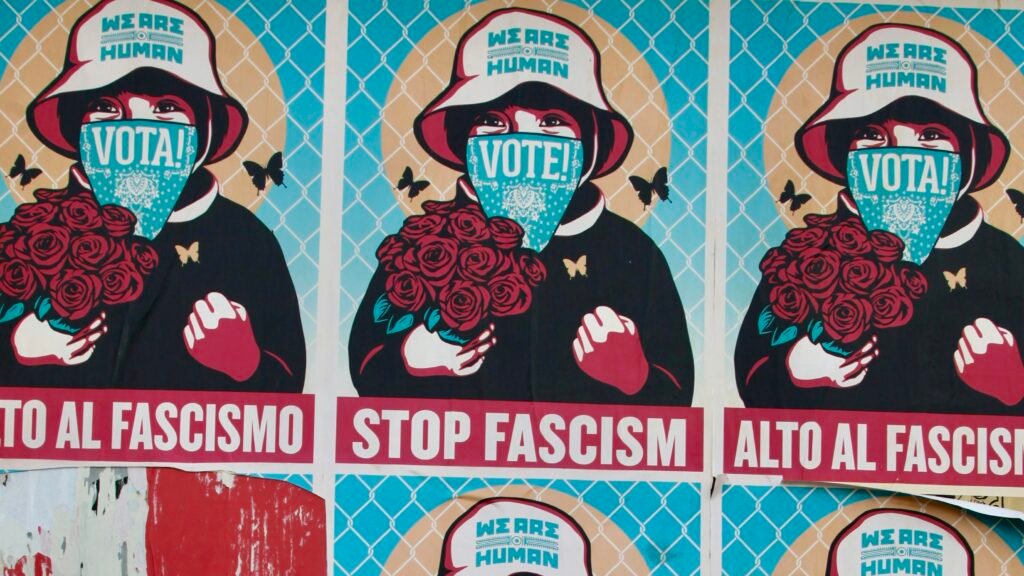
Nothing reveals bias or ignorance like misusing the term “fascist.” It refers to a specific political movement that prioritizes nation and race over the individual, supports autocratic rule, and suppresses opposition. In this exploration, we’ll clarify the definition and ensure we use this powerful word correctly, respecting its history and avoiding misuse in today’s discourse.
Regarding Gluttony: Part One

Gluttony is often dismissed as merely a food problem, but it reveals a deeper spiritual issue rooted in excess and lack of discipline. In a world where we indulge without boundaries, we find ourselves trapped in a cycle of overconsumption, leading to emptiness and dissatisfaction. As we explore Philippians 3:17-21, we’ll uncover how gluttony presents a wrong model of living, contrasting it with the selfless life Christ exemplifies. Are we truly free, or are we slaves to our desires? Join us as we delve into this critical topic and discover a path to a more meaningful life.
Misinterpreted: Proverbs 29:18

You’ve probably heard this verse at a leadership conference, church vision night, or business seminar: “Without vision, people perish.” Usually, it’s used to talk about goals, strategy, or organizational direction. And vision matters. A lot. But that’s not what this verse is talking about. In Proverbs 29:18, the verse says: “Where there is no prophetic…
What Does it Mean to Make a Profession of Faith?

Maybe you’ve been asked the question before – “have you made a profession of faith?” This concept is not just a church tradition; it has deep biblical roots. Scripture emphasizes that true faith in Jesus should be expressed outwardly, as seen in Romans 10:9-10. Throughout church history, believers have participated in ceremonies to publicly profess their faith, from confirmation in Catholicism to practices in Reformed and Baptist churches. But how does this relate to church membership and baptism? Join us as we explore the significance of making a profession of faith and its impact on your spiritual journey.
Regarding The Cup Jesus Prayed Against
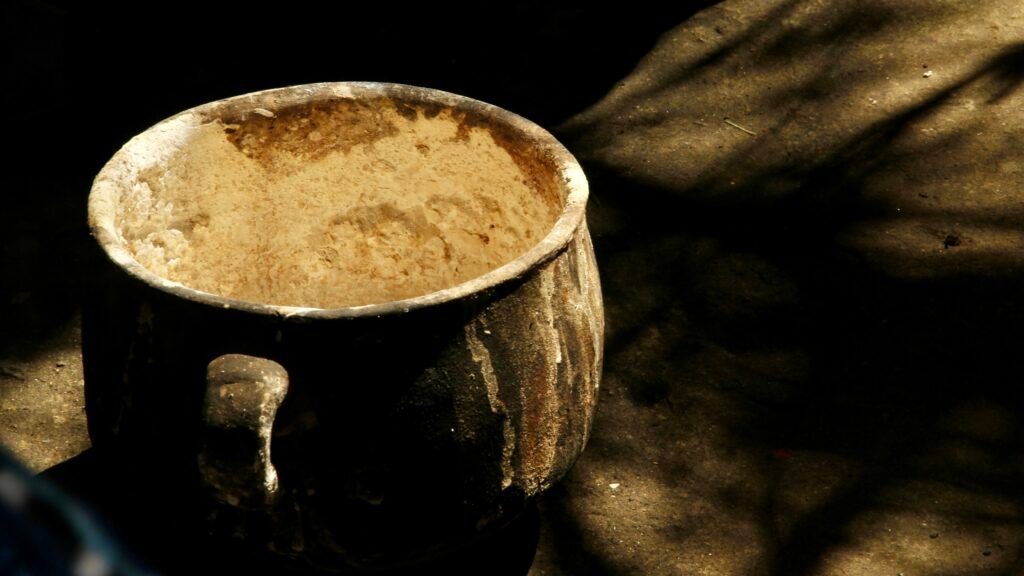
On the eve of Jesus’ crucifixion, he prayed in the Garden of Gethsemane, pleading for a “cup” to be removed from him. But what was this cup that filled him with such anguish? It was not merely the impending crucifixion; it was the cup of God’s wrath he was destined to drink for the sins of mankind. As he faced this profound spiritual turmoil, his body reacted in a rare condition known as hematidrosis, causing him to sweat blood. Discover the depth of Jesus’ sacrifice and the significance of the cup he ultimately embraced.
Misinterpreted: John 12:25

In John 12:25, Jesus makes a startling statement: “Whoever loves his life loses it, and whoever hates his life in this world will keep it for eternal life.” At first glance, this seems harsh and anti-human. Many interpret it as a call to self-loathing or a rejection of joy. But what if it’s about something deeper? Jesus isn’t condemning life itself; He’s challenging us to examine what we truly value. Discover how embracing this radical call can lead to true freedom and a more profound joy in life. Are you ready to explore the life that Christ offers?
Misinterpreted: Matthew 16:24

It’s a phrase many people associate with Christianity: “Deny yourself.” For some, it’s a killjoy, suggesting that faith is about suppressing joy and becoming miserable. But when Jesus said it in Matthew 16:24, He meant something far deeper. This isn’t about small sacrifices like skipping dessert; it’s about surrendering lordship over your life. Jesus calls us to release our idols—namely ourselves—because the self is a terrible god. Discover how denying yourself can lead to true freedom and a life that reflects who you were truly created to be. Dive deeper into this transformative truth!