



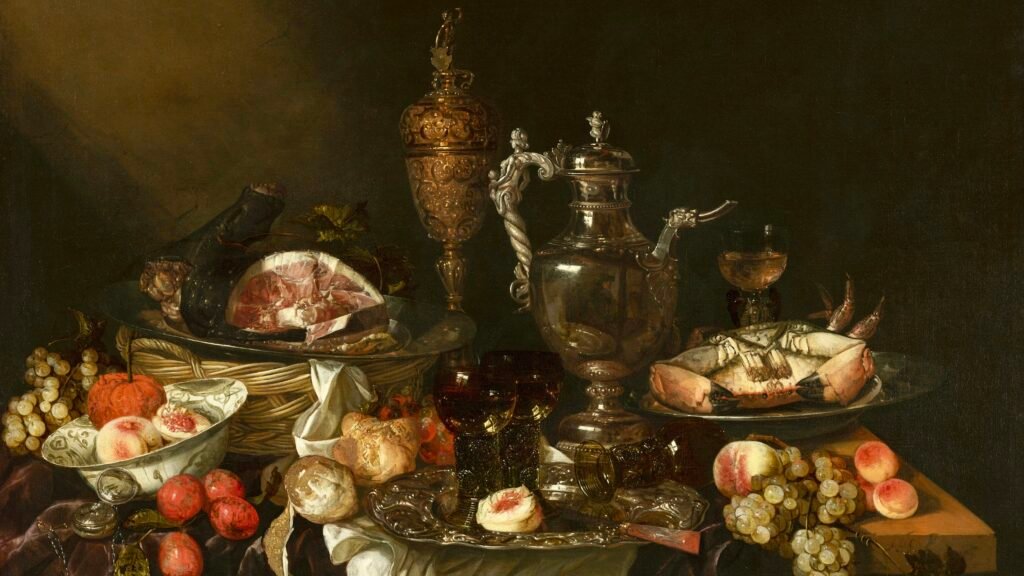
It’s a comforting idea: God invites everyone… so in the end, everyone will be fine.
No real judgment. No real separation. Just an open invitation that guarantees all people a seat at the table. And honestly, that sounds like good news.
But that’s not what Jesus teaches.
In Matthew 22:1-14, Jesus tells a parable about a wedding feast: A king prepares a banquet and invites guests. But many refuse to come. Some ignore the invitation. Others reject it outright. So, the king sends his servants out a second time… this time inviting anyone they can find.
And the room fills.
At first glance, it feels like a picture of inclusion.
But then something surprising happens.
What We Get Wrong
We often focus on the wide invitation and assume:
- Everyone is automatically accepted
- God doesn’t really judge
- As long as you’re invited, you’re in
But that skips over a crucial, awkward moment in the story. Because once the room is full, the king notices a man not wearing wedding garments—and he is cast out.
That part feels uncomfortable.
So we tend to ignore it.
What the Verse Actually Means
Matthew 22:1-14 is not just about invitation—it’s about response.
Yes, the invitation is wide.
Anyone can come.
But not everyone responds rightly.
In the culture of that time, wedding garments were often provided by the host. Refusing to wear them wasn’t an accident—it was a rejection of the king’s provision.
That’s the point.
You don’t enter the kingdom on your own terms.
You come on His. But the King doesn’t merely set the terms—He provides what you must wear, and invites you to receive it.
The invitation is free… but it’s also costly.
The Better Truth
God’s grace is wide enough for anyone, but it must be received the way He offers it.
You can’t show up and define it for yourself.
The “wedding garment” points to something deeper:
You don’t come to God dressed in your own goodness—you come clothed in what He provides.
That’s the gospel.
You don’t earn your seat at the table.
But you also don’t ignore the King, because this isn’t just about getting into the feast—it’s about belonging at the feast, sharing in the life of the King with His people.
Jesus ends the parable with a sobering line: “Many are called, but few are chosen.”
That’s not meant to confuse you… it’s meant to wake you up.
So yes, the invitation is real.
And yes, it’s open to all.
But don’t mistake invitation for automatic inclusion.
The question isn’t just: “Have you been invited?”
The question is: Have you responded the way the King requires?