




Regarding Kindness

Kindness is a buzzword in today’s culture, often reduced to mere niceness or passive agreement. But what does it truly mean to be kind, especially from a Christian perspective? In this exploration, we delve into the biblical definition of kindness, which goes beyond just feeling goodwill toward others. It’s about proactively seeking the genuine good of others, even when it requires saying hard truths. Discover how true kindness reflects God’s love and mercy, challenging the worldly notion that kindness is simply about making others feel good. Join us as we redefine kindness in a way that honors both love and truth.
When You’d Rather Control Than Submit

I’m to submit because I’m the wife? This thought raced through my mind as my son rebelled in the back seat, and I felt the tension rise. My husband urged me to stop lecturing, but my desire for control clashed with the call to submit. In that moment, I realized both my son and I were resisting authority. Could it be that God, in asking me to submit, was actually protecting me? As I wrestled with my flesh, I discovered that yielding to my husband might just invite God’s blessing into my life. What happens next is a lesson in surrender.
Regarding Church Discipline

In a world where church hurt is a trending hashtag, where tolerance is considered the highest virtue, and where authority is often viewed with suspicion, what role does church discipline have in today’s church? First off, what is church discipline – because that’s not actually a phrase you’ll find in the Bible. 9Marks defines it this way: “Church discipline is…
Reflecting the Gospel in Housework

Does what I do really matter? As a mother, I often find myself questioning the significance of picking up Cheerios or doing laundry for the umpteenth time. Yet, what if these ordinary tasks are not just mundane chores, but opportunities to reflect the gospel? From the mess of spilled milk to the preparation of meals, each act can remind us of God’s provision and grace. Join me as we explore how housework can become a beautiful expression of worship, pointing our hearts and our families back to the extraordinary love of Christ in the midst of our everyday lives.
Regarding Three Things Forgiveness Does Not Necessarily Mean

Forgiveness is a powerful act, but it doesn’t always mean what we think it does. In a world where relationships can be complicated, understanding the true nature of forgiveness is essential. It doesn’t necessarily mean restoring a relationship, reestablishing trust, or relinquishing justice. Instead, forgiveness is about releasing bitterness and choosing to let go of the hurt. It’s a step towards healing, not a guarantee of reconciliation. Discover how forgiveness can transform your heart and prepare you for a deeper connection with God and others. Explore the profound implications of forgiveness and its role in our journey toward grace and redemption.
Hiring Church Staff – Part 1
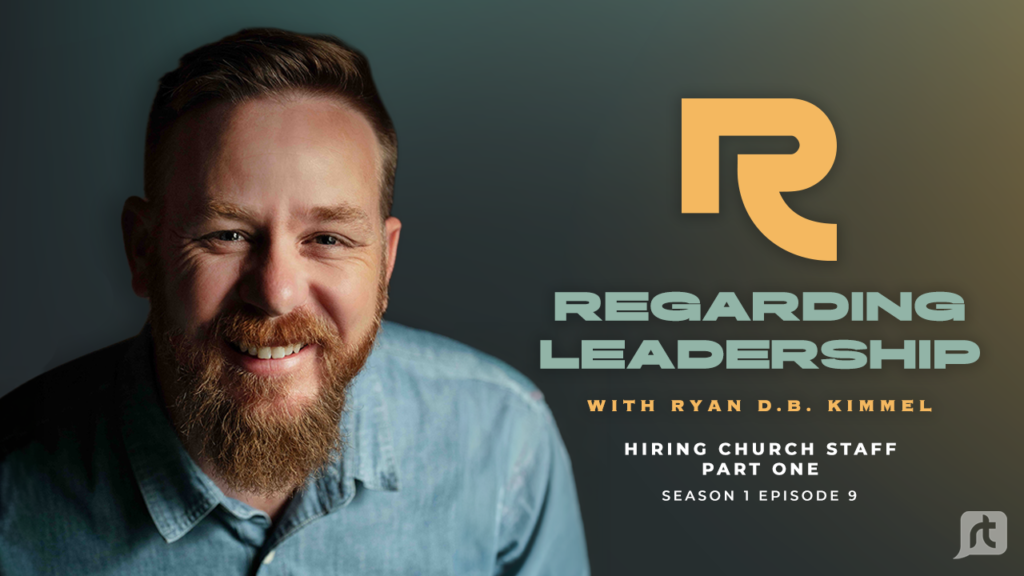
In “Hiring Church Staff – Part 1,” discover the essential groundwork every church should lay when bringing on new staff. This episode dives into the critical reasons why churches need dedicated personnel and how strategic staffing can elevate ministry effectiveness. Rather than viewing staff as mere budget items, we explore the transformative potential of investing in your church’s mission and leadership. Learn how the right staff can enhance accountability and excellence within your ministries. Join us as we discuss practical insights on when and how to expand your team, ensuring your church thrives in its mission and long-term growth.
Failing to Feel: Mistake #2 in Teaching the Bible

Perhaps because we think of the Bible characters as “saints” or as some select group of people who are totally unlike us, we sometimes forget to consider their emotions. We lift the bare facts from the pages of our Bibles and fail to feel the pain, jealousy, regret, or boredom that these people experienced—just like we would if we walked in their shoes. To truly understand the Bible’s message, we must try to understand the Bible’s people. We have to do “emotional archaeology” to connect with their experiences and, ultimately, with God’s character revealed through their stories.
Created for Rest

Resting. It’s not something our generation is particularly good at, nor is it a high priority for us. We are overstimulated, overworked, and overly focused on the wrong things. But the practice of resting is important to God, so it should be important to us too. From the very beginning, God established a rhythm of work and rest, culminating in the Sabbath—a gift meant to rejuvenate our spirits. As we explore the significance of rest in our lives, we discover that it’s not just a pause from work, but a vital connection to our Creator and a glimpse of the peace to come.
Regarding Pride Month

Let me begin with my thesis: if pride is a sin and pride feeds on attention, then attention is the last thing we should give it. This is why I do not typically respond to Pride Month—not out of hate, but out of love for a community that is celebrated for wedding itself to the…
Identifying a Fascist
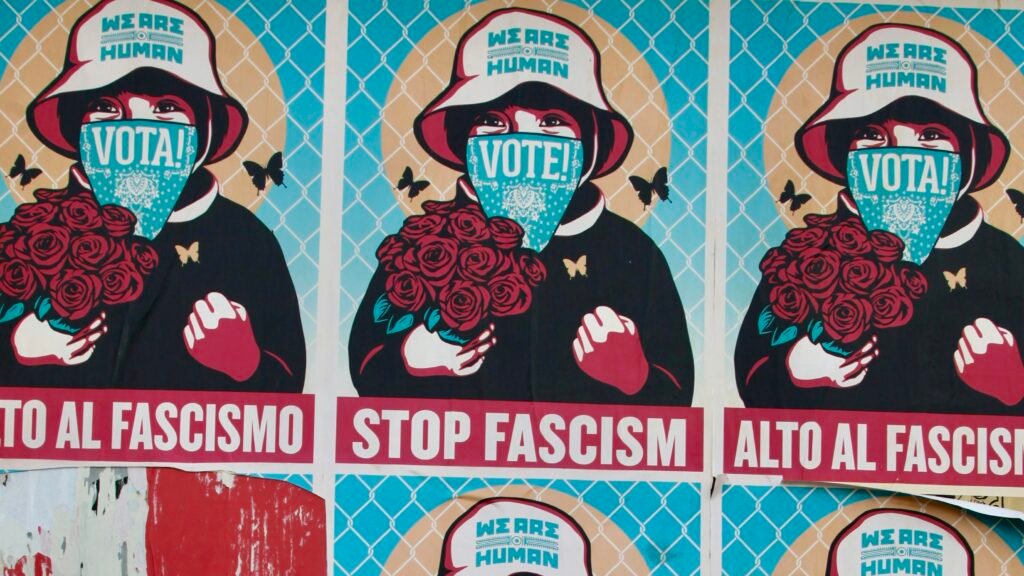
Nothing reveals bias or ignorance like misusing the term “fascist.” It refers to a specific political movement that prioritizes nation and race over the individual, supports autocratic rule, and suppresses opposition. In this exploration, we’ll clarify the definition and ensure we use this powerful word correctly, respecting its history and avoiding misuse in today’s discourse.
Regarding Gluttony: Part One

Gluttony is often dismissed as merely a food problem, but it reveals a deeper spiritual issue rooted in excess and lack of discipline. In a world where we indulge without boundaries, we find ourselves trapped in a cycle of overconsumption, leading to emptiness and dissatisfaction. As we explore Philippians 3:17-21, we’ll uncover how gluttony presents a wrong model of living, contrasting it with the selfless life Christ exemplifies. Are we truly free, or are we slaves to our desires? Join us as we delve into this critical topic and discover a path to a more meaningful life.
The Vital Role of Church Planting
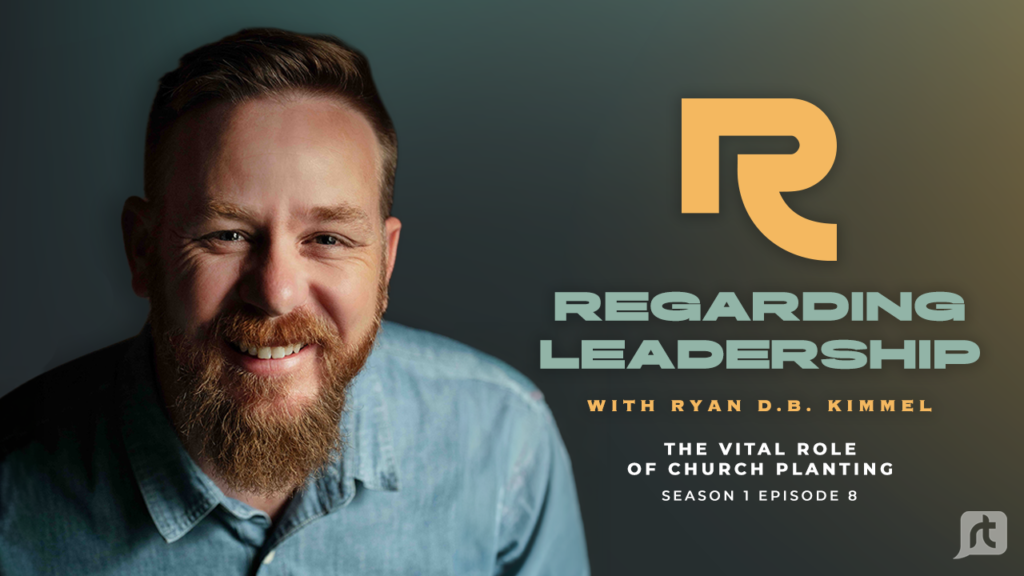
In a world where community and faith often intertwine, the act of church planting emerges as a vital mission. Join us as we delve into an enlightening conversation with Ethan Ezikian, a dedicated Pastor at Union Church in Howell, MI. Discover the profound significance of establishing new congregations and how they serve as beacons of hope and connection in our communities. Ethan shares insights rooted in scripture, illustrating the biblical foundation for this transformative work. Whether you’re a seasoned believer or simply curious about the role of faith in society, this discussion promises to inspire and challenge your perspective on church planting.